Introduction: The Digital Transformation of the Field
Artificial intelligence is radically changing the way we produce food in the world.As the global population grows and natural resources become scarcer, AI offers innovative solutions to increase agricultural productivity in a sustainable and efficient way.
According to recent data, the application of AI technologies in agriculture can increase crop yields by up to 30%, while simultaneously reducing water waste by 20% and operating costs by up to 25%. This represents not only an economic gain, but also a crucial step to feed a population of 10 billion people by 2050.
Advertisement
How AI Optimizes Crops
Predictive Soil and Nutrient Analysis
Artificial intelligence processes data collected from sensors in the soil to create detailed fertility and nutritional composition maps.These systems analyze pH, humidity, nitrogen, phosphorus and potassium concentration in real time, allowing farmers to apply fertilizer precisely only where it is really needed.
This approach reduces input waste by up to 40% and decreases environmental pollution caused by nutrient runoff. Platforms such as Microsoft Farmbeats and John Deere Operations Center use machine learning algorithms to offer custom fertilizer recommendations for each zone of the property.
Early Detection of Pests and Diseases
Computer vision systems equipped with specialized cameras can identify signs of infestation and disease in plants up to 7 days before any symptoms visible to the human eye. AI analyzes leaf discoloration patterns, anomalous texture and irregular growth patterns with accuracy of more than 95%.
When a threat is detected, the system immediately recommends the most effective control measures, whether biological, chemical or mechanical. This allows farmers to act preventively, avoiding losses of up to 80% that an uncontrolled infestation can cause.
Smart Irrigation and Water Optimization
AI integrates data from soil moisture sensors, weather forecasting, soil characteristics and plant development stage to calculate the exact water needs of each sector of the property.
This technology reduces water consumption by up to 25% while maintaining or increasing productivity.In regions where water is scarce, this efficiency translates into savings of thousands of cubic meters per crop and greater environmental sustainability.
Smart Harvest Forecasting
Predictive Income Models
Trained algorithms with historical data from tens of thousands of properties can predict the final yield of a crop with a margin of error of only 5% to 10%. These models consider variables such as planted variety, date of sowing, climatic conditions, soil history and applied management practices.
With these predictions in hand, farmers can plan ahead: from hiring harvesters, organizing storage, to negotiating prices in the future market.Big producers of agricultural technology such as Syngenta and Corteva use these forecasts to advise their customers on strategic planting decisions.
Optimized Determination of Harvest Date
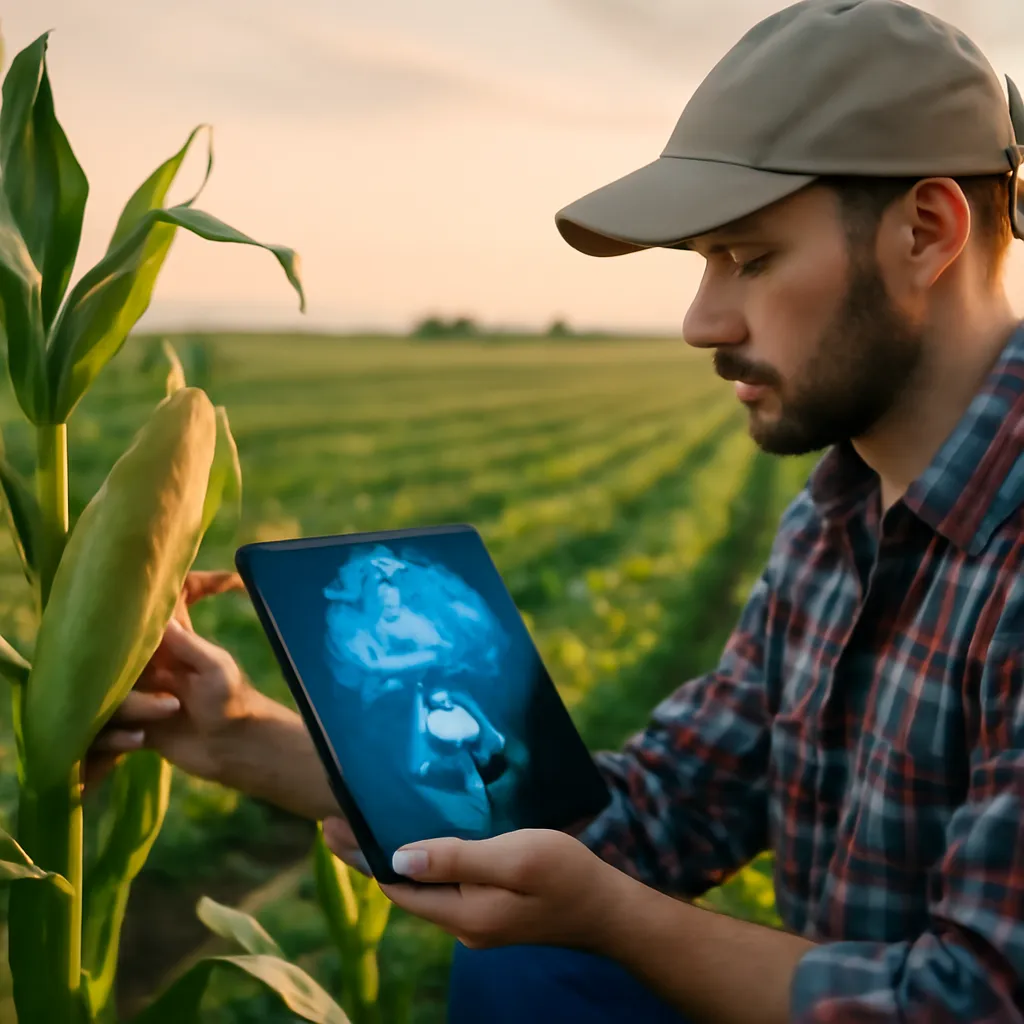
AI monitors the phenological development of plants through aerial images and sensors, identifying the exact moment when the grains or fruits reach the ideal point of harvest. This accuracy ensures maximum dry matter, sugar or protein content, depending on the crop.
Spooning at the right time increases the quality of the final product by up to 15% and reduces post-harvest losses.For crops such as coffee, grapes and cotton, this optimization is directly reflected in better prices in the international market.
Featured Technologies and Platforms
Drones and Aerial Imaging
Drones equipped with multispectral and thermal overflight cameras capture high-resolution images every 7-10 days. AI processes these images to generate maps of vegetative vigor, relative humidity and even water stress indices of plants. This macro view allows you to identify problems before they become general.
IoT Sensors and Data Collection
Sensors distributed throughout the crop continuously collect data on temperature, humidity, solar radiation, wind speed and air composition. These data are sent to cloud-based analytics platforms that, within seconds, provide actionable insights and recommendations for adjustment in management practices.
Advanced Climate Analysis
Artificial intelligence integrates data from satellites, weather stations and numerical models to generate hyperlocal weather forecasts 30 days in advance. Producers can anticipate periods of drought, excess rain or frost by proactively adjusting their operations.
Economic and Environmental Benefits
Implementing AI in agriculture has an immediate impact on cost spreadsheets.Reduction of 25% to 40% in the use of chemical inputs, 20% to 30% decrease in water consumption and 15% to 30% increase in productivity mean higher margins even with initial investments in technology.
From an environmental point of view, lower use of agrochemicals reduces contamination of aquifers and soils, production is more carbon efficient and preserves soil microbial biodiversity. Studies show that properties that adopt AI reduce their carbon footprint by up to 18% per ton of food produced.
Next Steps to Adopt AI in Your Property
To start, identify your biggest bottleneck: water management, pest control or optimization of inputs. Look for specific solutions for this challenge 'DOES there are several accessible platforms, from free to premium, suitable for small, medium and large properties.
Consult agronomists specialized in precision agriculture and make a cost-benefit analysis. Many rural cooperatives and unions already offer training programs and subsidies for the adoption of AI. The investment can be paid in one or two crops, ensuring competitiveness and long-term sustainability.