
Introduction: Two Architectures that Dominate the Market
If you've ever bought a smartphone, tablet or notebook, you've certainly used an ARM or x86 processor without knowing exactly what it was. These two processor architectures dominate the world's electronic device market, but they work in fundamentally different ways.
The confusion between ARM and x86 is common among tech beginners.Many users are unaware that choosing between one or the other directly affects the speed, battery consumption and compatibility of their devices.This guide details the main differences, advantages and disadvantages of each to help you make informed decisions when buying new equipment.
Advertisement
What Processors Are: A Basic Concept
A processor is the brain of the computer or smartphone.It receives instructions, processes data and performs operations.The way the processor interprets these instructions depends on its architecture, which is a set of rules and standards that define how it works internally.
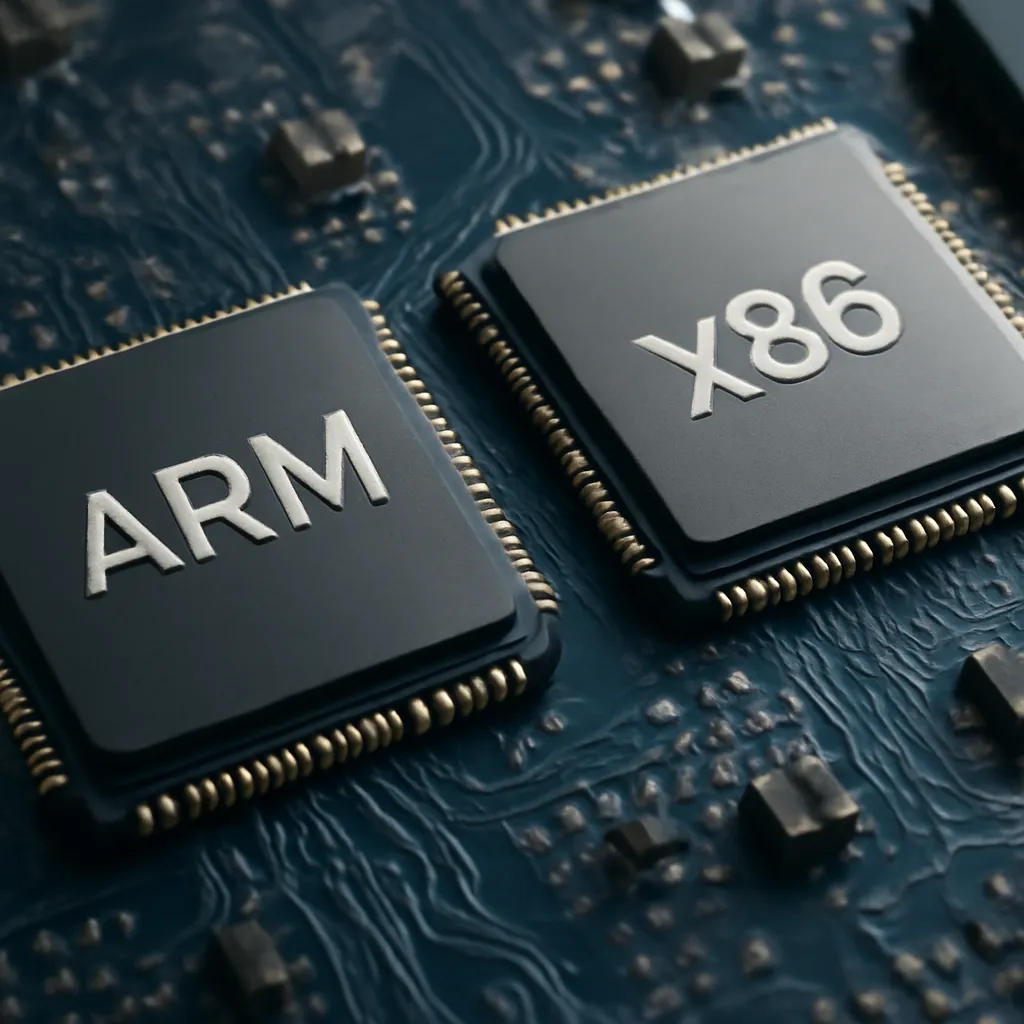
There are two main architectural standards on the market: x86 (also called x86-64 or Intel/AMD) and ARM. Each uses a different set of instructions and design principles, resulting in unique performance, energy efficiency and compatibility characteristics.
X86 Architecture: The Standard of Traditional Computers
How X86 Technology Works
The x86 architecture was developed by Intel in 1978 and has become the standard for personal computers, notebooks and servers. The name comes from the Intel 8086 processor series, and the